
The Beauty of a Hindu Wedding
- Ankita

- Nov 18, 2024
- 4 min read
I’ll start by saying that I’m Indian. I came to Canada in 2017 and have lived here ever since. Even though I’m away from my home country, I still follow traditions and do my research on them to stay more knowledgeable. This includes Hindu weddings.
I started my wedding planning journey a long time ago. At first, it wasn’t as a professional planner, but as a friend who was ready to step up and take the responsibility of ensuring my close friend, the bride, wasn’t stressed on her big day. Years passed, and more of my friends got married, and I helped them throughout the entire process. That’s how my passion started. Words can’t describe what I felt seeing their tears of joy and beautiful laughter! It truly felt unreal. At that point, I thought, "What if I make this my career?" Seeing people experience the happiest moments of their lives, knowing I played a part in organizing it, felt so fulfilling.
But the point of today’s blog is not the story of my career path. Still, I decided to keep it personal because I want to share some of the Hindu traditions that light my heart with joy and tenderness. I hope my list resonates with you, and if you’re a young bride looking for inspiration, I hope this post will be helpful. So, here are some of my favorite wedding moments.
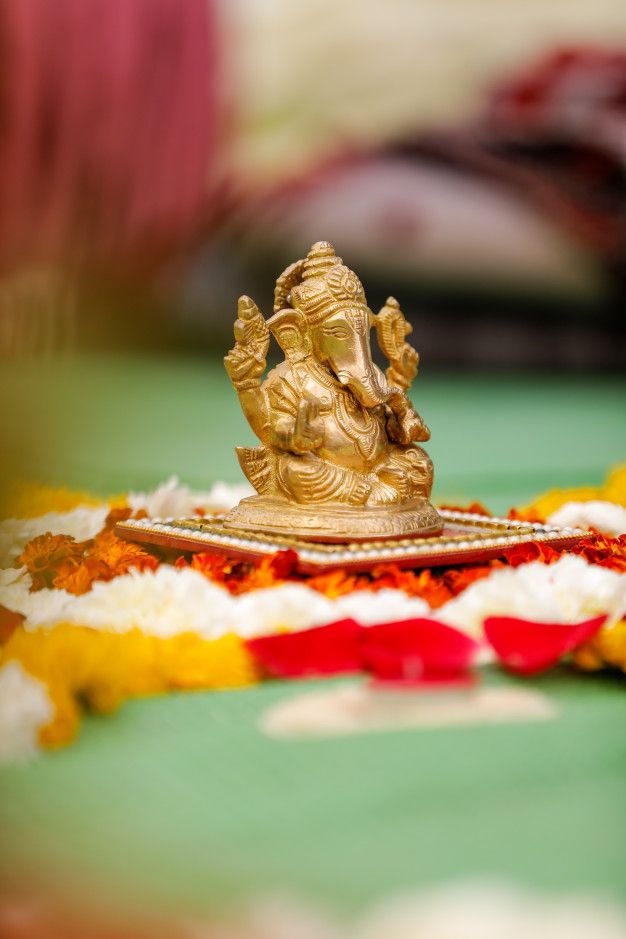
Ganesh Puja
A typical Hindu wedding begins with the Ganesh Puja, a sacred ritual to seek blessings from Lord Ganesh to remove any obstacles in the couple’s path. There’s something so peaceful and grounding about this moment. As a planner, I love creating a serene, respectful space for this puja, often with simple, elegant decor—just enough to highlight the sacredness of the ceremony. Watching families come together in love and respect fills me with gratitude, knowing that my work helped set the tone for this beautiful beginning.
Baraat
Then comes the Baraat, the groom’s procession. This part of the wedding is always one of the most lively and exciting, as it’s filled with music, dancing, and so much energy! Coordinating the baraat is always a thrilling experience for me. The timing, the logistics, the flow—it all has to come together perfectly to make sure the excitement builds up just right. I can’t help but smile as I watch the groom and his family make their way toward the ceremony location, surrounded by their loved ones, all celebrating the moment. I feel so delighted every time—it’s like a celebration in full swing, and I get to witness it all!

Jaimala
One of the most touching moments of the ceremony is the Jaimala, when the bride and groom exchange garlands. This simple yet powerful gesture symbolizes their acceptance of each other. I’m lucky enough to help create the stage for this moment—selecting the perfect flowers, making sure everything is perfectly timed, coordinating the guests—it doesn’t even feel like work! There’s something so beautiful about the exchange. It’s a moment of unity, of two people coming together, and the joy in the air is almost tangible.

Kanyadaan
The Kanyadaan ceremony is often one of the most emotional parts of the wedding. It’s where the bride’s family entrusts her to the groom, symbolizing the bride’s transition into a new life. The emotions during this ritual are so deep and sincere (sometimes I can’t help but cry a little myself). My task here is to create a comfortable setting where the families can share their emotions freely. Again, it’s a powerful moment to witness, and I can assure you, once you see it for yourself, you won’t be able to hold back the tears—just like me. :)

Havan and Saptapadi
The Havan and Saptapadi are sacred rituals that signify the couple’s vows and their promises to each other. The couple circles around the fire seven times, with each step representing a vow they make. There’s a quiet reverence in the air during these moments, and sometimes I feel as if I’m there with the couple, taking those steps. I’m sure every guest and witness has the same feeling. It’s a moment where everything feels right, and I’m reminded of the power of partnership.

Sindoor and Mangalsutra
As the ceremony moves forward, the Sindoor and Mangalsutra rituals take place. The bride is marked with sindoor (vermilion) and is gifted the mangalsutra, both symbols of her transition into married life. Just like the rest of the ceremony, you can feel the heightened emotions in the air. It’s simply beautiful—something you can’t avert your gaze from. The intimacy of both rituals brings joy and reminds me why careful planning is so important: without it, the atmosphere of love and commitment would be lost or disturbed.


Aashirvaad
The wedding often concludes with the Aashirvaad, where family and friends offer their blessings to the newlyweds. It’s a humbling moment because it reminds me that I’m part of something so much bigger than just the event or just the logistics. The blessings and good wishes fill the space with love, and I can’t help but feel gratitude in my heart. Being part of a wedding means more than just planning—it’s about witnessing the unity and love of a family, and knowing that I played a small role in making that happen.

Every step of the wedding journey is special. From the quiet, meaningful Ganesh Puja to the lively Baraat, and from the emotional Kanyadaan to the powerful vows exchanged during the Havan and Saptapadi, every moment is filled with emotion, beauty, and love. The energy, joy, and love shared between the couple and their families are what make every wedding unforgettable. At the end of the day, it’s not just about the flowers, the decor, or the perfect timeline—it’s about the connections we create and the love we help celebrate. And that’s why I love what I do.


Comments